Look beyond—what I'm seeing, hearing, and reading on church and culture this week. ͏  ͏  ͏  ͏  ͏  ͏  ͏  ͏  ͏  ͏  ͏  ͏  ͏  ͏  ͏  ͏  ͏  ͏  ͏  ͏  ͏  ͏  ͏  ͏  ͏  ͏  ͏  ͏  ͏  ͏  ͏  ͏  ͏  ͏  ͏  ͏  ͏  ͏  ͏  ͏  ͏  ͏  ͏  ͏  ͏  ͏  ͏  ͏  ͏  ͏  ͏  ͏  ͏  ͏  ͏  ͏  ͏  ͏  ͏  ͏  ͏  ͏  ͏  ͏  ͏  ͏  ͏  ͏  ͏  ͏  ͏  ͏  ͏  ͏  ͏  ͏  ͏  ͏  ͏  ͏  ͏  ͏  ͏  ͏  ͏  ͏  ͏  ͏  ͏  ͏  ͏  ͏  ͏  ͏  ͏  ͏  ͏  ͏  ͏  ͏  ͏  ͏  ͏  ͏  ͏  ͏  ͏  ͏  ͏  ͏  ͏  ͏  ͏  ͏  ͏  ͏  ͏  ͏  ͏  ͏ ­ ­ ­ ­ ­ ­ ­ ­ ­ ­ ­ ­ ­ ­ ­ ­ ­ ­ ­ ­ ­ ­ ­ ­ ­ ­ ­ ­ ­ ­ ­ ­ ­ ­ ­ ­ ­ ­ ­ ­ ­ ­ ­ ­ ­ ­ ­ ­ ­ ­ ­ ­ ­ ­ ­ ­ ­ ­ ­ ­ ­ ­ ­ ­ ­ ­ ­ ­ ­ ­ ­ ­ ­ ­ ­ ­ ­ ­ ­ ­ ­ ­ ­ ­ ­ ­ ­ ­ ­ ­ ­ ­ ­ ­ ­ ­ ­ ­ ­ ­ ­ ­ ­ ­ ­ ­ ­ ­ ­ ­ ­ ­ ­ ­ ­ ­ ­ ­ ­ ­ ­ ­ ­ ­ ­ ­ ­ ­ ­ ­ ­ ­ ­ ­ ­ ­ ­ ­ ­ ­ ­ ­ ­ ­ ­ ­ ­ ­ ­ ­ ­ ­ ­ ­ ­ ­ ­ ­ ­ ­ ­ ­ ­ ­ ­ ­ ­ ­ ­ ­ ­ ­ ­ ­ ­ ­ ­ ­ ­ ­ ­ ­ ­ ­ ­ ­ ­ ­ ­ ­ ­ ­ ­ ­ ­    ͏  ͏  ͏  ͏  ͏  ͏  ͏  ͏  ͏  ͏  ͏  ͏  ͏  ͏  ͏  ͏  ͏  ͏  ͏  ͏  ͏  ͏  ͏  ͏  ͏  ͏  ͏  ͏  ͏  ͏  ͏  ͏  ͏  ͏  ͏  ͏  ͏  ͏  ͏  ͏  ͏  ͏  ͏  ͏  ͏  ͏  ͏  ͏  ͏  ͏  ͏  ͏  ͏  ͏  ͏  ͏  ͏  ͏  ͏  ͏  ͏  ͏  ͏  ͏  ͏  ͏  ͏  ͏  ͏  ͏  ͏  ͏  ͏  ͏  ͏  ͏  ͏  ͏  ͏  ͏  ͏  ͏  ͏  ͏  ͏  ͏  ͏  ͏  ͏  ͏  ͏  ͏  ͏  ͏  ͏  ͏  ͏  ͏  ͏  ͏  ͏  ͏  ͏  ͏  ͏  ͏  ͏  ͏  ͏  ͏  ͏  ͏  ͏  ͏  ͏  ͏  ͏  ͏  ͏  ͏ ­ ­ ­ ­ ­ ­ ­ ­ ­ ­ ­ ­ ­ ­ ­ ­ ­ ­ ­ ­ ­ ­ ­ ­ ­ ­ ­ ­ ­ ­ ­ ­ ­ ­ ­ ­ ­ ­ ­ ­ ­ ­ ­ ­ ­ ­ ­ ­ ­ ­ ­ ­ ­ ­ ­ ­ ­ ­ ­ ­ ­ ­ ­ ­ ­ ­ ­ ­ ­ ­ ­ ­ ­ ­ ­ ­ ­ ­ ­ ­ ­ ­ ­ ­ ­ ­ ­ ­ ­ ­ ­ ­ ­ ­ ­ ­ ­ ­ ­ ­ ­ ­ ­ ­ ­ ­ ­ ­ ­ ­ ­ ­ ­ ­ ­ ­ ­ ­ ­ ­ ­ ­ ­ ­ ­ ­ ­ ­ ­ ­ ­ ­ ­ ­ ­ ­ ­ ­ ­ ­ ­ ­ ­ ­ ­ ­ ­ ­ ­ ­ ­ ­ ­ ­ ­ ­ ­ ­ ­ ­ ­ ­ ­ ­ ­ ­ ­ ­ ­ ­ ­ ­ ­ ­ ­ ­ ­ ­ ­ ­ ­ ­ ­ ­ ­ ­ ­ ­ ­ ­ ­ ­ ­ ­ ­  
View in Browser | Subscribe | Donate
July 10, 2026

Weekly Briefing on Church and Culture by TGC’s Editor in Chief

GOSPEL BOUND WITH COLLIN HANSEN
In This Week's Briefing

The Christian view on birthright citizenship, the pursuit of happiness, and the end of reading.

 
What I'm Seeing

We’ve lost our country.

Supreme Court justices should be impeached.

I watched with some confusion as these reactions rolled in after the June 30 decision against President Trump’s executive order banning birthright citizenship. I saw popular Christian commenters despair over the 5-4 decision. I saw allegations of betrayal, especially by Justice Amy Coney Barrett, appointed by President Trump in 2020. I saw comparisons to Roe v. Wade, the 1973 decision that legalized abortion across the United States.

By no means do I claim legal expertise, but after hearing the arguments, I understand some concerns with birthright citizenship. The system is open to abuse, either from people who have entered the country unlawfully, or from people who take advantage of temporary legal entry to give birth on U.S. soil. And the Supreme Court decision may exceed the intent behind the U.S. Constitution’s Fourteenth Amendment, ratified in 1868 to rectify the evils of chattel slavery. But on the other hand, I can also see the case for upholding birthright citizenship. There is precedent in the Supreme Court’s 1898 decision and English common law.

Either way, week’s decision doesn’t change long-standing practice. But it does give this long-standing practice even stronger legal grounding. I see why it’s significant.

Question is, why did the decision induce horror in certain corners?

More than 10 years ago I started noticing a shift in how American evangelicals reacted to immigration compared to abortion. Readers showed little interest in learning about abortion, but raged against articles on immigration. Then the polls started showing the same changes. Immigration shot to the top of the list in evangelicals’ political priorities. They opposed it—especially illegal immigration. Increasing numbers also favored further restrictions on legal immigration and refugees, such as executive orders from President Trump. Meanwhile, abortion dropped to the bottom of evangelical priorities, even as the number of abortions recently increased, after decades of decline. With Republicans controlling the White House, Senate, and House of Representatives, Planned Parenthood received an annual increase of $800 million in Medicaid funding, effective July 5.

To understand this shift, last week I been reading a provocative 2023 book called The Godless Crusade: Religion, Populism, and Right-Wing Identity Politics in the West, published by Tobias Cremer with Cambridge University Press. Cremer teaches at the University of Oxford about the relationship between religion, secularization, and right-wing identity politics. I’ll have more to say on this book, but from what I know so far, Cremer’s research tracks with what I presented at the Center for Pastor Theologians in 2024, “From Ideology to Identity: Tim Keller and the Post-Christian Right.” To make a long story short, President Trump’s support from evangelicals tracks a similar pattern across Western nations where the politics of sexuality has lost salience with voters as Christianity recedes in cultural importance. Winning coalitions in post-Christendom countries focus instead on debates over national identity, especially immigration. Christianity has become less of a moral motivation and more of a cultural symbol.

After the birthright citizenship decision, TGC staff looked in our archives to 2019, the last national conference Tim Keller attended. After speaking on the book of Jonah, Keller took a question from a South Korean attendee about President Trump’s immigration policies. Keller joked that no American would have been courageous enough to ask him that question. (Keller’s own ministry was substantially shaped by new immigration policies. The 1965 legal changes implemented in 1968 opened the door to immigrants from different parts of the world, including Korea, resulting in a huge influx of Presbyterians. Thousands of their children ended up at Keller’s church in New York City, starting in the 1990s.)

In his full response, Keller declined to wade into the details of immigration policy. He read and digested various views but didn’t reach definitive conclusions based on clear biblical teaching. Wise pastors speak where the Scriptures are clear and hold their tongues when they’re not. That’s why Keller emphasized that the Scriptures clearly require us to speak about and love immigrants and refugees as made in the image of God.

Whatever the partisans threaten you to believe, Christianity doesn’t compel one view on birthplace citizenship. (Though hopefully your faith informs your views on the matter.) Nor does Christianity compel your view on the number of immigrants and refugees a given country can safely and humanely take in. Maybe you want fewer because cultural fragmentation makes social solidarity and assimilation more difficult in the 21st century. Maybe you want more because lower fertility means we need younger taxpayers to support the social safety net. Debate away! Search the Scriptures for general guidance.

But we should at least be able to agree that no policy excuses anyone—especially Christians—from treating another human being as beneath the dignity afforded to all God’s creatures. And no human laws should be able to induce panic in Christians who trust in a sovereign, good God. Otherwise you may end up with a “Christian nation” that looks suspiciously like post-Christendom.

COLLIN HANSEN
Editor in Chief
Desktop mobile image alt text
 
What I'm Hearing
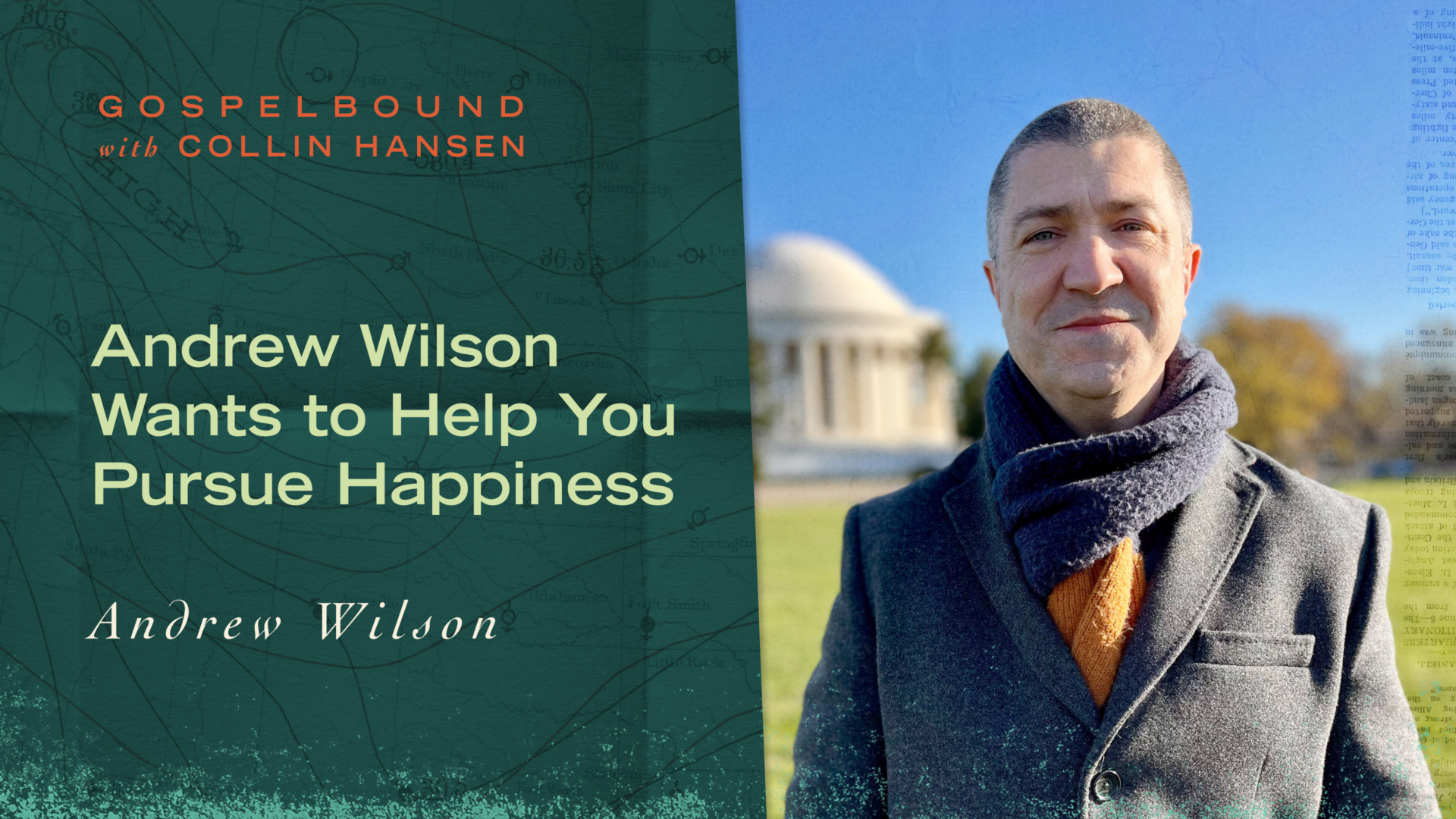
Andrew Wilson Wants to Help You Pursue Happiness

Andrew Wilson is one of the happiest guys I know. So it only makes sense that he’d write a book called Happiness: What It Is, Where to Find It, and How to Make It Last Forever. He’s the expert. I’m delighted when I see Andrew at a TGC conference or a retreat for The Keller Center for Cultural Apologetics. I look forward to every chance to spend time with him. He writes in this book, “Nothing is more honoring to a friend, a child, or a spouse than saying they make you happy. Nothing is more demeaning to them than telling them they don’t.” I can say, with no reservation, Andrew makes me happy when we’re together.

But where does that leave the rest of us? If we’re not naturally happy? If we’re not feeling happy right now? If we’re not hanging out with Andrew? The Declaration of Independence, 250 years ago this month, put happiness at the center of life’s aim: “We hold these truths to be self-evident, that all men are created equal, that they are endowed by their Creator with certain unalienable Rights, that among these are Life, Liberty and the pursuit of Happiness.”

Andrew covered that statement in his excellent earlier book, Remaking the World: How 1776 Created the Post-Christian West. Given the recent anniversary, I snuck in a couple questions about that fateful year and what makes the United States unique. And we discussed much more, including the difference between joy and happiness, whether God promises happiness, and why millennials grew up to be sad.

This week I saw a survey that showed that most young adults believe marriage and children hinder happiness. But married couples and parents report much higher levels of happiness. This disconnect relates to the reasons millennials grew up to be unhappy as adults. Andrew points out in our interview that freedom from obligations deliver a sense of happiness in youth. But obligations deliver happiness when you get older.

“True religion, in great part, consists in holy affections,” Jonathan Edwards wrote in Religious Affections. As Christians we unashamedly pursue happiness. Grace trains our hearts to find our happiness in God and in obedience to his Word. Otherwise we’ll keep looking for happiness in all the wrong places.

 
What I'm Reading
The End of Reading Is Here
By Rose Horowitch

Months ago in this newsletter we considered Ray Bradbury’s Fahrenheit 451 as even more timely with the advent of AI than it was in 1953 when published. Bradbury illustrated the underlying philosophy of technologies that promise deliverance but deliver servitude (what Christopher Watkin described this week as sovereign slavery). Bradbury’s firefighters who start fires believe they are delivering humanity from the plague of books with their pointless abstractions. Books make us think about war and love. Books make us think about our stewardship for the next generation. Who has time for that? These Instagram reels won’t scroll themselves.

I guess I’m not the only one worried that we’re approaching the end of literacy. This week The Atlantic announced “The End of Reading Is Here.” The problem didn’t start with AI writing, a great way to ensure no one will feel the need to keep reading. Not even half of Americans read a single book in a year. But last year, almost 60 percent of Americans gambled. Occupied with tablets and TVs, school-age children already don’t read nearly as much as their parents did. Teachers all the way from the most prestigious high schools to the most competitive colleges report pressure to assign fewer, easier books—or even just excerpts.

You’re the exception if you even see post-literacy as a problem. Our society see books as a chore to be endured, for a time, during school. Or a luxury enjoyed by the egg-headed few. We take literacy for granted. We can’t comprehend how much the very way we think, the way we conceive of the world and our place in it, has been shaped by writing and reading. Protestantism likely would not have emerged apart from mass literacy following the invention of movable type in the 1400s. And neither would the United States, a “republic of letters,” a society whose citizenship wrote, read, and debated abstract ideas.

Good thing the Founders didn’t have Netflix.

“Maybe McLuhan and Postman weren’t wrong in predicting that our society would become postliterate,” writes Horowitch, a 20-something staff writer for The Atlantic. “They were merely early. The world that these theorists foresaw half a century ago is now here. The literate era will prove to be a brief interlude between the oral and digital ages.”

I remain hopeful that if all the rest of the world stops reading, at least one group won’t: evangelicals. Because we are People of the Book. You can’t capture the book of Daniel or explain the letter to the Ephesians in an Instagram reel. You don’t need an IQ of 130 to be a Christian. The gospel is good news to children, salvation to the humble. But God chose to reveal himself in words and as the Word. Hearing, reading, and doing the Word is his ordained means of growth as a disciple of Jesus.

I’m pleased to report the state of Christian publishing is strong. Never before have we seen this heightened level of commercial interest in the Bible. No doubt at least some of that interest has been driven by YouTube teachers, podcast hosts, and The Chosen series on streaming services. The digital can be the top of a funnel that feeds hunger for the Word.

So maybe it’s not the end of reading as we know it. So far at least, evangelicals feel fine.

We choose to read because it’s hard. We scratch our heads over the imagery of Daniel. We stumble through the sentences of Ephesians. Because in the Word we find the “unsearchable riches of Christ” (Eph. 3:8).

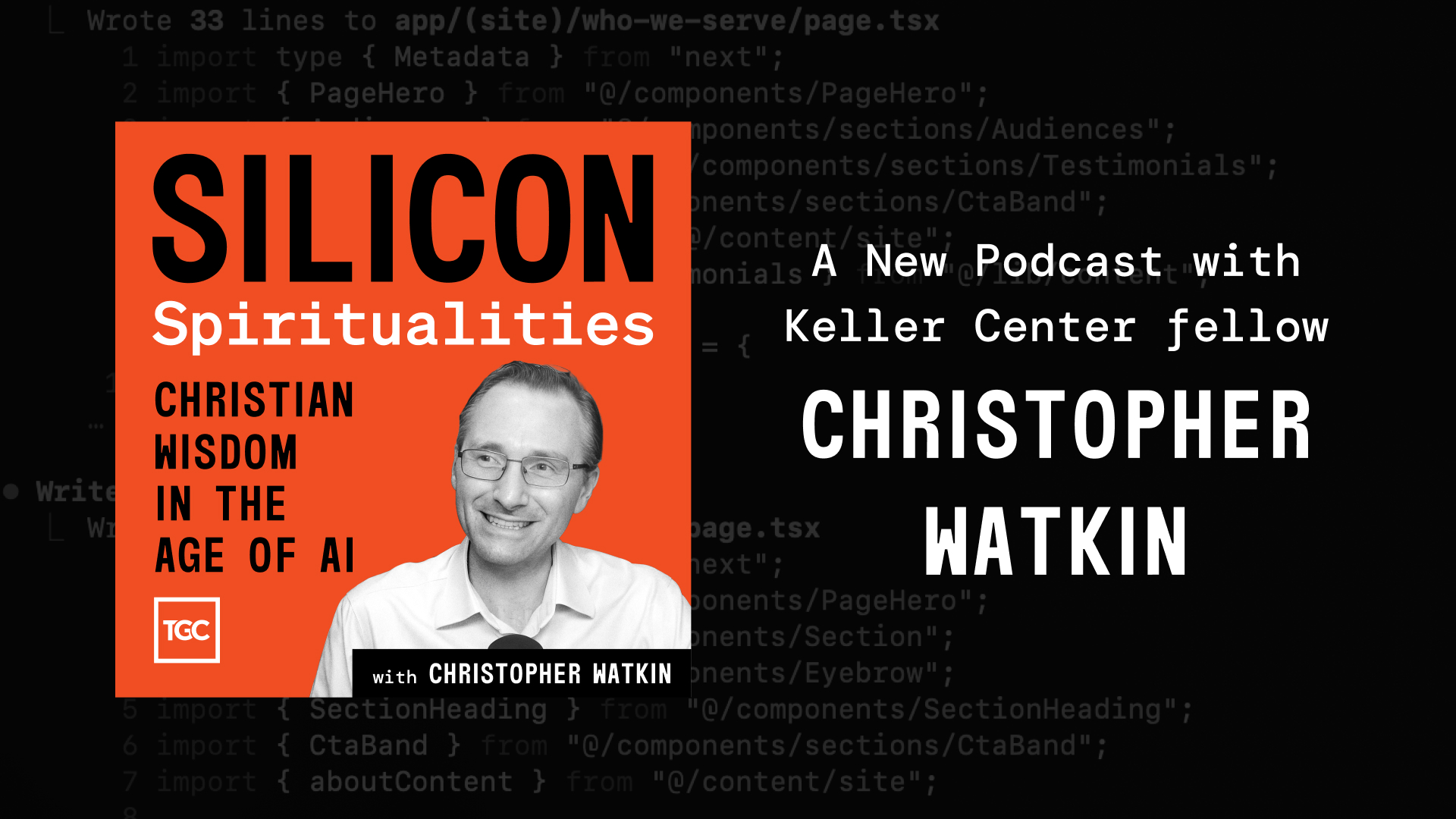
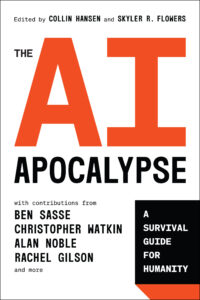
Since I know you’ll keep reading, I’ll keep writing and editing books. In September my colleague Skyler Flowers and I will release a new book, titled The AI Apocalypse: A Survival Guide for Humanity, featuring an expert cast of contributors, from Ben Sasse to Alan Noble, from AI programmers in Kenya to AI architects in California. Everyone who signs up for The Keller Center’s new online cohort—Get Ready for the Age of AI: A Personal and Practical Guide to Our New World, featuring Christopher Watkin and Rachel Gilson and Michael Graham among others—receives a free, exclusive, early copy of the book on August 12.

 
Next Week on Unseen Things

Please pray as I spend the next two weeks completing revisions on Churchill and Lewis: For the Sake of the World. We’re currently looking at a publication date in fall 2027 with Zondervan.

 
Desktop mobile image alt text


Weekly
Wish you had a roundup of our best content?
Subscribe to our weekly Update.
SIGN ME UP!