Look beyond—what I'm seeing, hearing, and reading on church and culture this week. ͏  ͏  ͏  ͏  ͏  ͏  ͏  ͏  ͏  ͏  ͏  ͏  ͏  ͏  ͏  ͏  ͏  ͏  ͏  ͏  ͏  ͏  ͏  ͏  ͏  ͏  ͏  ͏  ͏  ͏  ͏  ͏  ͏  ͏  ͏  ͏  ͏  ͏  ͏  ͏  ͏  ͏  ͏  ͏  ͏  ͏  ͏  ͏  ͏  ͏  ͏  ͏  ͏  ͏  ͏  ͏  ͏  ͏  ͏  ͏  ͏  ͏  ͏  ͏  ͏  ͏  ͏  ͏  ͏  ͏  ͏  ͏  ͏  ͏  ͏  ͏  ͏  ͏  ͏  ͏  ͏  ͏  ͏  ͏  ͏  ͏  ͏  ͏  ͏  ͏  ͏  ͏  ͏  ͏  ͏  ͏  ͏  ͏  ͏  ͏  ͏  ͏  ͏  ͏  ͏  ͏  ͏  ͏  ͏  ͏  ͏  ͏  ͏  ͏  ͏  ͏  ͏  ͏  ͏  ͏ ­ ­ ­ ­ ­ ­ ­ ­ ­ ­ ­ ­ ­ ­ ­ ­ ­ ­ ­ ­ ­ ­ ­ ­ ­ ­ ­ ­ ­ ­ ­ ­ ­ ­ ­ ­ ­ ­ ­ ­ ­ ­ ­ ­ ­ ­ ­ ­ ­ ­ ­ ­ ­ ­ ­ ­ ­ ­ ­ ­ ­ ­ ­ ­ ­ ­ ­ ­ ­ ­ ­ ­ ­ ­ ­ ­ ­ ­ ­ ­ ­ ­ ­ ­ ­ ­ ­ ­ ­ ­ ­ ­ ­ ­ ­ ­ ­ ­ ­ ­ ­ ­ ­ ­ ­ ­ ­ ­ ­ ­ ­ ­ ­ ­ ­ ­ ­ ­ ­ ­ ­ ­ ­ ­ ­ ­ ­ ­ ­ ­ ­ ­ ­ ­ ­ ­ ­ ­ ­ ­ ­ ­ ­ ­ ­ ­ ­ ­ ­ ­ ­ ­ ­ ­ ­ ­ ­ ­ ­ ­ ­ ­ ­ ­ ­ ­ ­ ­ ­ ­ ­ ­ ­ ­ ­ ­ ­ ­ ­ ­ ­ ­ ­ ­ ­ ­ ­ ­ ­ ­ ­ ­ ­ ­ ­    ͏  ͏  ͏  ͏  ͏  ͏  ͏  ͏  ͏  ͏  ͏  ͏  ͏  ͏  ͏  ͏  ͏  ͏  ͏  ͏  ͏  ͏  ͏  ͏  ͏  ͏  ͏  ͏  ͏  ͏  ͏  ͏  ͏  ͏  ͏  ͏  ͏  ͏  ͏  ͏  ͏  ͏  ͏  ͏  ͏  ͏  ͏  ͏  ͏  ͏  ͏  ͏  ͏  ͏  ͏  ͏  ͏  ͏  ͏  ͏  ͏  ͏  ͏  ͏  ͏  ͏  ͏  ͏  ͏  ͏  ͏  ͏  ͏  ͏  ͏  ͏  ͏  ͏  ͏  ͏  ͏  ͏  ͏  ͏  ͏  ͏  ͏  ͏  ͏  ͏  ͏  ͏  ͏  ͏  ͏  ͏  ͏  ͏  ͏  ͏  ͏  ͏  ͏  ͏  ͏  ͏  ͏  ͏  ͏  ͏  ͏  ͏  ͏  ͏  ͏  ͏  ͏  ͏  ͏  ͏ ­ ­ ­ ­ ­ ­ ­ ­ ­ ­ ­ ­ ­ ­ ­ ­ ­ ­ ­ ­ ­ ­ ­ ­ ­ ­ ­ ­ ­ ­ ­ ­ ­ ­ ­ ­ ­ ­ ­ ­ ­ ­ ­ ­ ­ ­ ­ ­ ­ ­ ­ ­ ­ ­ ­ ­ ­ ­ ­ ­ ­ ­ ­ ­ ­ ­ ­ ­ ­ ­ ­ ­ ­ ­ ­ ­ ­ ­ ­ ­ ­ ­ ­ ­ ­ ­ ­ ­ ­ ­ ­ ­ ­ ­ ­ ­ ­ ­ ­ ­ ­ ­ ­ ­ ­ ­ ­ ­ ­ ­ ­ ­ ­ ­ ­ ­ ­ ­ ­ ­ ­ ­ ­ ­ ­ ­ ­ ­ ­ ­ ­ ­ ­ ­ ­ ­ ­ ­ ­ ­ ­ ­ ­ ­ ­ ­ ­ ­ ­ ­ ­ ­ ­ ­ ­ ­ ­ ­ ­ ­ ­ ­ ­ ­ ­ ­ ­ ­ ­ ­ ­ ­ ­ ­ ­ ­ ­ ­ ­ ­ ­ ­ ­ ­ ­ ­ ­ ­ ­ ­ ­ ­ ­ ­ ­  
View in Browser | Subscribe | Donate
March 6, 2026

Weekly Briefing on Church and Culture by TGC’s Editor in Chief

GOSPEL BOUND WITH COLLIN HANSEN

In this week’s briefing

Consider the challenges facing Gen Z and those who love them, discover the stories we live by, and beware the edgelords.

What I'm Seeing

Last month the emotions of millions rose and fell with the fortunes of young men and women whose names we didn’t know until they appeared on the ice of Italy for the Winter Olympics. My family watched live on a Friday afternoon as Ilia Malinin’s hope for an individual gold medal collapsed due to nerves. After traveling for work on a Thursday evening I watched Alysa Liu’s free skate over and over, marveling at the joyful ease of her routine. Before church on a Sunday morning I agonized over every missed shot from the United States against Canada. After church my son and I resumed the recorded broadcast and screamed with joy as Jack Hughes scored the winning goal in three-on-three overtime.

For a couple weeks in Milan and Cortina, Gen Z gave us thrills to last a lifetime.

As staff leaders for The Gospel Coalition recently met in Orlando, we discussed trends among Gen Z in an ongoing effort to serve this rising cohort. As an elder Millennial with Gen Alpha children, I mostly encounter Gen Z in my seminary classroom and church small group. Most of my staff colleagues belong to Gen X, or else they’re fellow Millennials. We strive, however, to hear from this generation born roughly between 1997 and 2012, the young adults currently making their way through classrooms and professional sports and church leadership.

To help orient us toward the hopes and fears of Gen Z, I’ve compiled 10 observations from reading, discussing, and talking with this cohort. Each of these points could merit a long discussion. For now, however, I’m keeping commentary brief. This week I’ll share five concerns. Next week I’ll share five encouragements.

Please forgive the generalizations. Every generation includes many exceptions and resists neat-and-tidy summaries. Nevertheless:

  1. Gen Z is following Millennials in the “slow life strategy” of delayed adulthood. A young group at my church last Sunday confirmed what I’ve heard and seem from others: compared to earlier generations, these teenagers aren’t itching to drive. They’re certainly not expecting to get married or have children anytime soon, even in their 20s. Don’t look for the dangerously low fertility rate to bounce back in this generation.
  2. Gen Z is also following Millennials in preference for extrinsic over intrinsic identity. Rather that pursuing meaning through faith and family, Gen Z is more likely to pursue fame and fortune. And where did they receive this encouragement? From their Boomer parents, who value their children’s financial independence and job satisfaction more than anything else.
  3. Gen Z women are accelerating the “great dechurching,” leaving the false impression of more Gen Z men in the church. Similarly, it’s not that young men are becoming more politically and socially conservative. It’s that they’re not becoming more politically and socially liberal, like their female counterparts. Given that women are more likely to demand political alignment in spouses, you can see a major reason marriage is declining.
  4. Gen Z men have fewer inhibitions about transgressive behaviors. Nancy Pearcey isn’t the only person to tell me how many Christian young men look up to the misogynist Andrew Tate. Teachers tell me about the return of slurs directed against gays, ethnic minorities, and peers with mental handicaps. The death of Charlie Kirk, a hero to many young men in Gen Z, has opened the door to worse alternatives fanning the flames of grievance and division.
  5. Gen Z are the early adopters—and victims—of generative AI. As Jean Twenge and Jonathan Haidt have argued, technology drives the divisions between generations. Millennials are divided from Gen X by social media and smartphones in their college and high school years. Gen Z will be divided from Millennials by AI. A friend who teaches Gen Z in college recently told me that some of his students insist they’ve written an essay if they’ve written the prompts for AI. (Yikes.) You won’t need to teach AI to Gen Z. They’ll be teaching you, just as Gen X taught older generations about the internet, and Millennials (much to their regret) signed up their parents for Facebook. At the same time, Gen Z is already losing entry-level, white-collar jobs to AI. Their adoption, and sometimes rejection of AI, will largely determine the terms this technology’s impact on older generations.

Come back next week when we’ll explore five encouragements for where and how God is working among Gen Z. For a head start on the good news, check out the latest deep dive, narrative podcast from TGC senior writer Sarah Zylstra. Hear directly from Gen Z about what God is doing.

COLLIN HANSEN
Editor in Chief
Where Gen Z Is Finding Jesus
 
What I'm Hearing
The Stories Culture Tells Us

It’s only appropriate that Michael Keller wrote the foreword to TGC’s new group study, Making Sense of Us. The idea originated during a group exercise at the inaugural meeting for the Keller Center for Cultural Apologetics in 2023. I was working through an inductive exploration of causes for the rapid decline of churchgoing in the United States since the year 2000. To put it mildly, the fellows pushed back. Michael and Tim’s longtime assistant, Craig Ellis, shared with us a groundbreaking new approach to evangelism they had been developing with Tim. From that uncomfortable back-and-forth developed Making Sense of Us, which we believe can both evangelize and also edify the next generation.

The curriculum highlights some of the most salient  “cultural narratives” identified by Tim as well as other Keller Center fellows, especially Josh Chatraw. These are the stories we live by, to borrow from the forthcoming book Michael wrote with his late father. They are stories that orient us toward answers to the big questions: Who are we? What are we here to do? How do we find happiness and meaning? In his talk for TGC’s last national conference, Michael probed the narratives of identity, freedom, happiness, and power.

In TGC’s new curriculum, New York City pastor John Starke opens with further reflections on cultural narratives. He then introduces the teaching sessions filmed on site around New York from other Keller Center fellows: self (Rebecca McLaughlin), happiness (Sam Chan), science (Trevin Wax), justice (Rachel Gilson), liberty (Bob Thune), and progress (Glen Scrivener).

Sometimes what evangelicals called “worldview training” left the impression that Christians needed to learn the ways of the world so we could combat our opponents. Out approach at the Keller Center is different. Many Christians have unwittingly followed these incomplete narratives. And every narrative has a grain of truth that reflects humanity made in the image of God, blessed by him with common grace. We need guidance, then, that draws out these longings and directs them to their eternal source.

We live by a better story of the gospel—and it’s our privilege as Christians to share the story that makes sense of us, that makes sense of everything.

 
What I'm Reading
Edgelords Won’t Inherit the Earth

The hit dogs have been barking this week! Joe Carter gave voice to the frustrations many of us have long felt—especially in the last decade, but in some fashion since the outset of social media. Algorithms incentivize divisive behavior, even outright lying. Forsaking God’s explicit warnings, these so-called edgelords claim to defend the church even as they seek its destruction for their own selfish gain.

Joe Carter and I have been working in online publishing for more than a quarter-century. By this point I’m pretty confident we’ve seen it all. And what we’ve seen repeatedly is the rise and inevitable fall of self-appointed, unaccountable revilers of other Christians. Sadly, before they eventually disappear from the scene, they can leave a trail of devastation. Joe explains their appeal:

Genuine maturity takes years to develop. It requires discipline, failure, growth, and patience. The edgelord offers an alternative: You can feel powerful right now by adopting the right posture, saying the right shocking things, and joining the right pile-ons. Why spend decades becoming a man of substance when you can feel like one this afternoon by dunking on someone online?

Sometimes I’ve struggled to understand why so many young men doomscroll these digital denizens. But as I’ve aged this reflection has, surprisingly, resulted in rejoicing. I grew up under the influence of a father, two grandfathers, uncles on both sides, coaches, teachers, and fathers of friends. Not many of these role models would stand out in the eyes of the world. But they made a world of difference to me as I slowly matured through countless mistakes.

It’s not always possible to warn someone away from counterfeits. You need to train them to recognize and appreciate the real thing. I can’t help but hope that the taste for edgelords will grow sour when young men see real masculinity that takes after the Savior who is “gentle and lowly in heart” (Matt. 11:29).

Next week on Unseen Things

5 encouragements about Gen Z, Lewis’s Great Divorce, and America’s fraught history with Iran.

 
New From TGC
Order ‘Making Sense of Us’
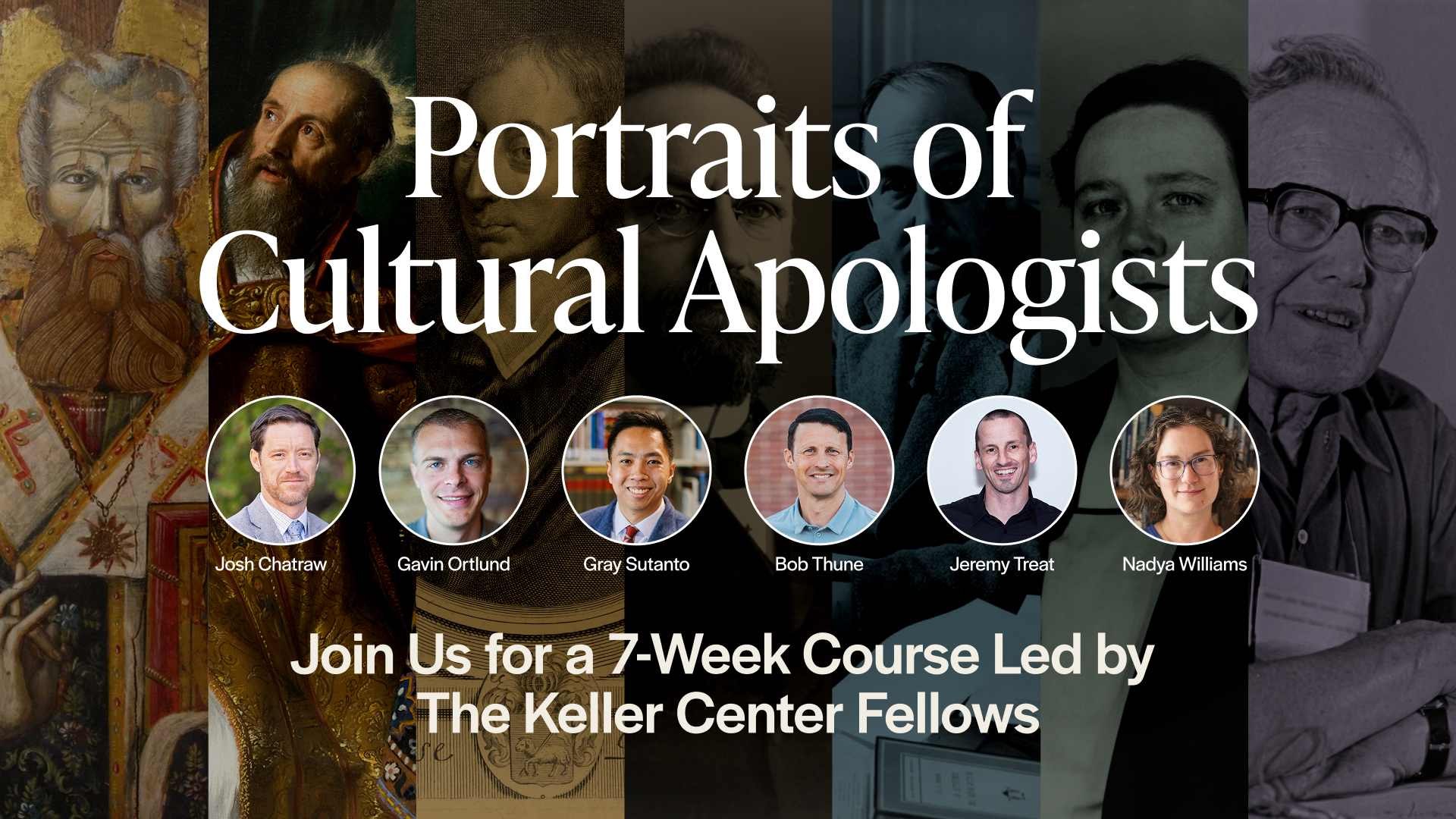
New Cohort: Portraits of a Cultural Apologist
 
Desktop mobile image alt text


Weekly
Wish you had a roundup of our best content?
Subscribe to our weekly Update.
SIGN ME UP!